Introduction
Artificial intelligence, commonly known as AI, has emerged as one of the most transformative technologies of the 21st century.
AI enables machines to mimic human intelligence, allowing them to process information, learn from data, and make decisions.
Once considered the realm of science fiction, AI has now become an integral part of our daily lives, influencing industries such as healthcare, education, finance, transportation, and entertainment. Its rapid development is reshaping how we live, work, and interact with technology.
The origins of AI can be traced back to the mid-20th century when pioneers like Alan Turing began exploring the concept of intelligent machines.
Turing’s famous question, “Can machines think?” laid the foundation for AI research. Early AI systems relied on rule-based algorithms and symbolic reasoning, enabling machines to perform basic logical operations.
Over the decades, advancements in computing power, data availability, and algorithms have led to the development of sophisticated AI models capable of learning and improving autonomously.
Today, AI systems utilize machine learning, deep learning, and neural networks to analyze data and solve complex problems.
Types of Artificial Intelligence
-
Narrow AI (Weak AI):
Narrow AI is designed to perform specific tasks efficiently. Examples include speech recognition, image classification, and recommendation systems. -
Most AI applications in use today, such as virtual assistants like Siri and Alexa, fall under this category. Narrow AI excels in its domain but cannot perform tasks outside its designated purpose.
-
General AI (Strong AI):
General AI refers to machines that possess human-like cognitive abilities, capable of understanding, learning, and applying knowledge across multiple domains. -
Although it remains largely theoretical, general AI represents the long-term goal of creating machines that can reason, plan, and solve a wide variety of problems like humans.
-
Superintelligent AI:
Superintelligent AI is a hypothetical future form of AI that surpasses human intelligence across all areas. It could potentially innovate, make decisions, and solve problems beyond human capability. -
While it promises unprecedented advancements, it also raises significant ethical and existential questions about control, safety, and governance.
Applications of AI
AI has already transformed numerous industries and continues to expand its influence:
-
Healthcare:
AI revolutionizes healthcare by assisting in disease diagnosis, predicting patient outcomes, and designing personalized treatment plans. Advanced AI models analyze medical images, identify anomalies, and even predict potential outbreaks. -
AI-powered robotic surgery enhances precision, while virtual health assistants provide continuous patient support.
-
Education:
AI is reshaping education through adaptive learning platforms that tailor content to each student’s pace and understanding. Intelligent tutoring systems offer real-time feedback, and automated grading tools help educators save time while maintaining consistency. -
AI also supports inclusive education by enabling personalized learning experiences for students with diverse needs.
-
Business and Finance:
AI streamlines operations in business and finance by automating repetitive tasks, improving decision-making, and enhancing customer experience. -
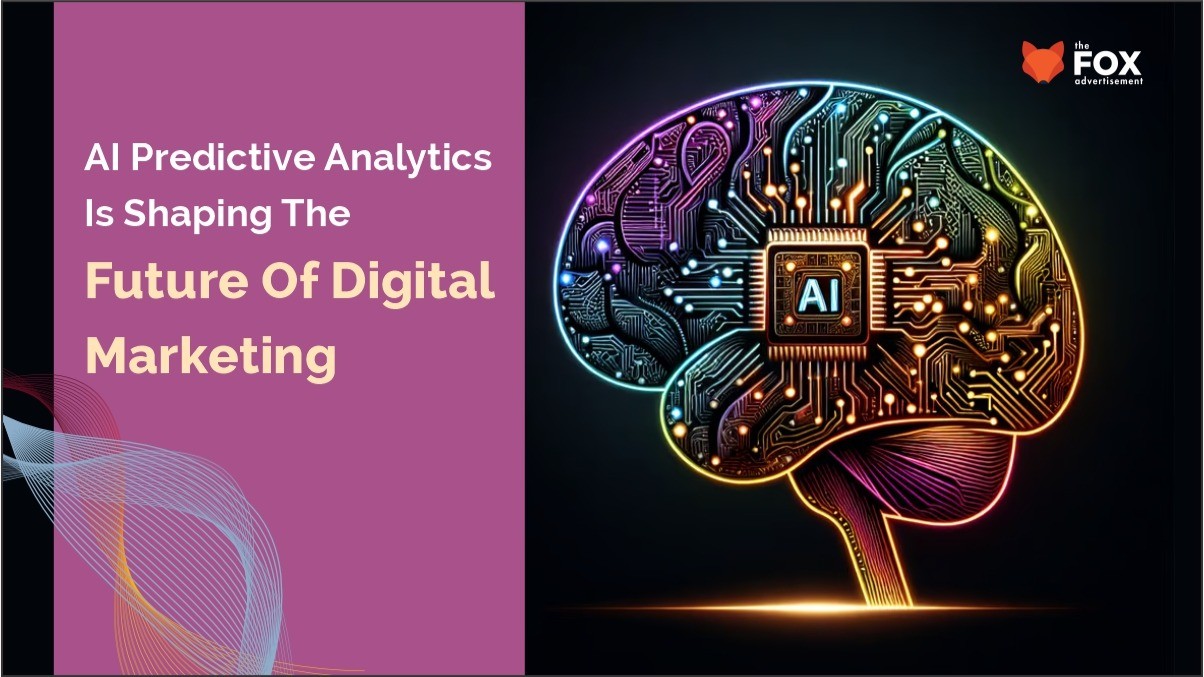
Predictive analytics enable companies to anticipate market trends and manage risks effectively.
-
Chatbots and virtual assistants provide 24/7 support, while AI-driven fraud detection systems secure financial transactions.
-
Transportation:
AI-driven technologies are transforming transportation with autonomous vehicles, traffic management systems, and predictive maintenance. -
Self-driving cars, powered by AI algorithms, promise safer and more efficient travel. Smart traffic management systems analyze real-time data to reduce congestion and improve urban mobility.
-
Entertainment and Media:
Streaming platforms utilize AI to recommend content based on individual preferences. AI-generated music, art, and virtual characters are increasingly contributing to creative industries. Personalized experiences enhance user engagement, while AI analytics help creators understand audience behavior. -
Environmental Conservation:
AI contributes to environmental sustainability by monitoring climate change, predicting natural disasters, and optimizing energy consumption. -
Machine learning models analyze large datasets to model climate patterns, detect pollution, and support conservation efforts.
Benefits of AI
The benefits of AI extend beyond efficiency, impacting productivity, innovation, and quality of life:
-
Automation: AI automates routine and repetitive tasks, allowing humans to focus on higher-level problem-solving and creativity. This reduces operational costs and increases efficiency.
-
Enhanced Data Analysis: AI can analyze vast amounts of data rapidly, identifying patterns and insights that would be impossible for humans to detect manually.
-
Personalization: AI enables customized experiences across industries, from personalized learning paths in education to individualized marketing strategies in business.
-
Healthcare Advancements: AI improves diagnostic accuracy, predicts disease progression, and recommends tailored treatments, ultimately enhancing patient care and outcomes.
-
Safety and Security: AI-driven systems strengthen cybersecurity, detect fraudulent activities, and enhance public safety through intelligent monitoring and predictive risk management.
-
Innovation and Research: AI accelerates research in various fields, including drug discovery, material science, and space exploration, enabling faster and more efficient breakthroughs.
Challenges and Ethical Considerations
Despite its benefits, AI poses several challenges and ethical dilemmas that require careful attention:
-
Job Displacement: Automation threatens certain job sectors, potentially leading to unemployment and social disruption. Reskilling and education initiatives are essential to mitigate this impact.
-
Bias and Fairness: AI algorithms trained on biased data may perpetuate discrimination or reinforce inequalities. Ethical frameworks and transparent model design are crucial to ensure fairness.
-
Privacy Concerns: AI systems rely on large volumes of personal data, raising concerns about data privacy, consent, and misuse. Robust data protection measures are necessary to safeguard individuals.
-
Accountability: Determining responsibility for AI-driven decisions is complex. Legal and regulatory frameworks must evolve to address accountability in AI applications.
-
Superintelligence Risk: The hypothetical emergence of superintelligent AI raises questions about control and safety. International cooperation and governance structures are vital to manage these potential risks responsibly.
The Future of AI
The future of AI promises continued innovation and integration into virtually every aspect of human life. Emerging technologies such as quantum computing and neuromorphic computing will further enhance AI’s processing capabilities, enabling faster and more complex computations.
AI’s role in healthcare is expected to expand.
with predictive analytics, telemedicine, and AI-assisted surgeries becoming mainstream. In education, intelligent systems will provide personalized, adaptive learning experiences, fostering lifelong learning. Environmental monitoring and climate modeling will benefit from AI-driven insights, aiding conservation efforts and disaster preparedness.
Collaboration between humans and AI will become increasingly important. Human-in-the-loop systems ensure ethical decision-making and enhance AI accountability. Regulatory frameworks, international policies, and ethical guidelines are being developed to guarantee responsible AI deployment and prevent misuse.
AI’s potential in space exploration is also significant. Autonomous spacecraft, AI-powered rovers, and mission planning systems can conduct research in environments that are inaccessible or hazardous to humans. These innovations may accelerate our understanding of the universe while minimizing risks to human explorers.
Conclusion
Artificial intelligenceis not merely a technological advancement; it is a societal game-changer. It has the power to enhance productivity, drive innovation, and improve the quality of human life. However, its responsible and ethical implementation is critical to prevent negative consequences, such as bias, job displacement, and privacy violations.
The integration of AI into daily life and industry is still in its early stages, yet its impact is undeniable. As AI continues to evolve, balancing innovation with ethical responsibility will determine whether it serves as a force for global progress. By embracing AI wisely, society can harness its full potential, creating a future that is both technologically advanced and socially beneficial.
AI is poised to redefine the boundaries of human achievement, opening new avenues for creativity, problem-solving, and discovery. Its evolution reflects humanity’s capacity to innovate, adapt, and thrive in an increasingly complex world. The journey of AI is ongoing, and its responsible application today will shape a more intelligent, efficient, and equitable tomorrow.